
Understanding the Shift towards Flexible Automation
I remember a time not too long ago when manufacturing relied heavily on rigid automation, where systems were fixed and inflexible. Today, however, with the rise of cobots (collaborative robots), we’re witnessing a shift that opens up new possibilities—especially for those in manufacturing and logistics. Flexible robot arms are leading this charge, where productivity and versatility are the name of the game. According to recent studies, industries utilizing these systems report a 30% increase in efficiency. But what does that mean for your operations? How can a cobot for sale change your workflow? It’s a game-changer!
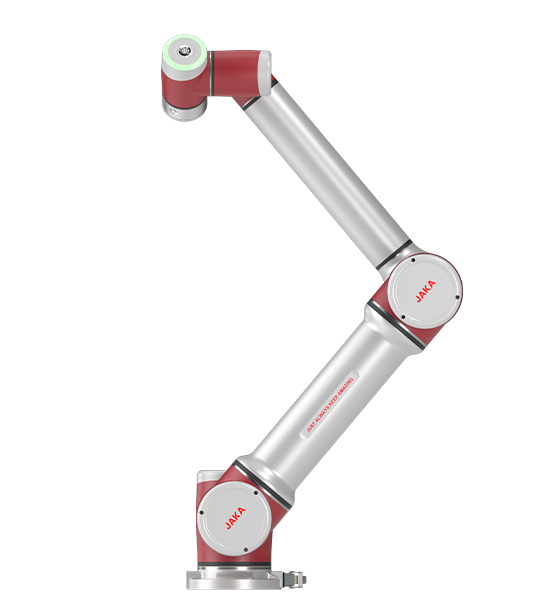
Addressing Common Challenges with Traditional Automation
The traditional solutions often have flaws that many overlook. For instance, fixed robotic systems lack the adaptability needed for product variations. When I worked at a manufacturing plant a couple of years ago, we struggled with frequent model changes. This rigidity was not just a hassle; it caused significant downtime. Flexible robot arms, however, are designed to handle such shifts without the need for extensive reconfiguration. This flexibility mitigates hidden pain points like excess setup times and worker fatigue—allowing staff to focus on higher-value tasks instead of mundane labor. The beauty of this innovation lies in its ability to seamlessly integrate into existing setups, offering a compelling argument for investing in a cobot for sale that fits your operational needs.
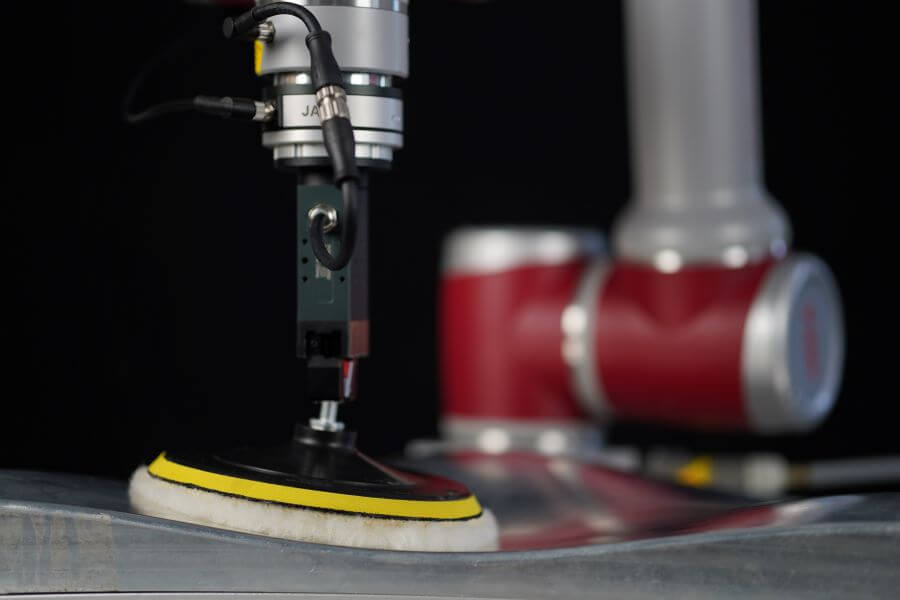
What’s Coming? The Evolution of Flexible Robotic Solutions
Looking ahead, the revolution in flexible automation is not slowing down! Companies that embrace these advancements can expect tangible benefits. As I’ve observed, the integration of AI into flexible robot arms elevates their capabilities exponentially, making them smarter and more responsive. What’s next? The combination of real-time data analytics, AI, and human-robot collaboration will redefine productivity metrics. Implementing intelligent systems allows businesses to proactively address workflow bottlenecks—reducing costs while improving output. Imagine a scenario where your flexible robot arm could anticipate demand shifts, leading to just-in-time manufacturing—sounds ideal, doesn’t it?
The Real-world Impact of Flexible Automation
In practical terms, adopting flexible robotic solutions can lead to a 25% reduction in operational costs. Last spring, I helped a local business upgrade their assembly line with flexible robot arms. They quickly saw their throughput double within a month. The investment in a cobot for sale didn’t just improve productivity; it brought a sigh of relief to workers who were previously overwhelmed. With these innovations, hands-on tasks became more manageable, fostering a more enjoyable workplace atmosphere. The flexibility and ease of use allowed these robots to fit seamlessly into their culture, enhancing team morale. It’s clear these technologies pave the way for more human-centric work environments while optimizing performance and profitability!
Key Considerations for the Future
As you navigate through this rapidly evolving landscape, I urge you to consider a few evaluation metrics for choosing the right automation solutions: check compatibility with existing systems, assess the robustness of customer support, and, importantly, look for scalability options. Flexible robot arms are not just an automated solution; they’re an investment in your future. That being said, finding the right supplier to meet your specific needs is crucial. Take it from me; I’ve seen firsthand how partnering with a reputable company like JAKA can lead to long-term success. We can genuinely shape the future of operations toward greater efficiency and enhanced employee satisfaction—if we choose wisely!