
Where Waste Meets Efficiency
Imagine a bustling city, overflowing with organic waste—a scenario that resonates globally. Recent studies show that over 30% of waste generated daily is organic. This unmet challenge calls for innovative solutions, like an owc composting machine, which seamlessly converts trash into treasure. Sometimes, the best solutions come from unexpected places.
Why Traditional Solutions Fail
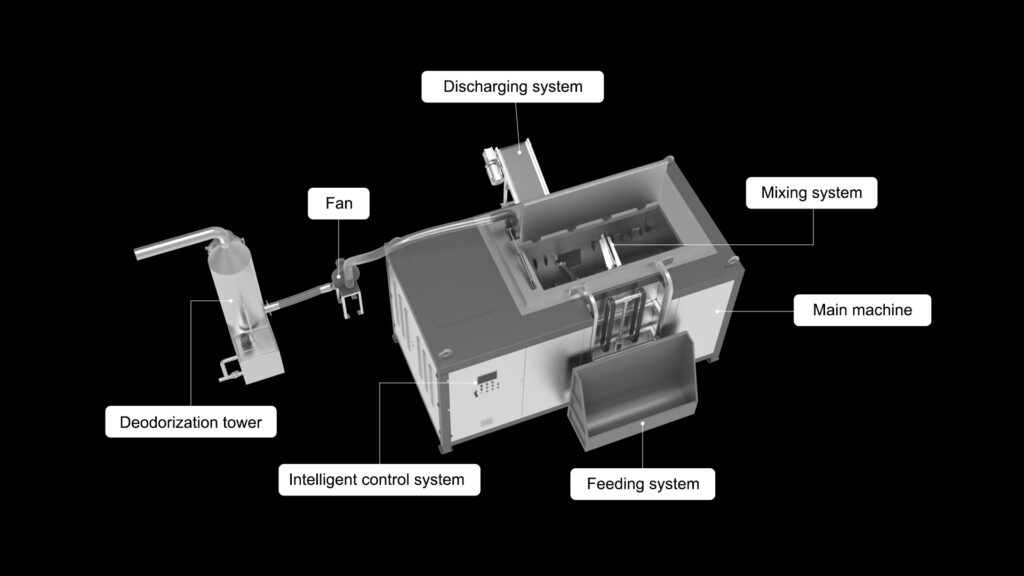
Traditional composting methods often leave behind a trail of hidden costs and complexities. I remember the first time I encountered backyard composting; it was messy, slow, and honestly, quite an undertaking! As a community, we faced challenges such as pests, unpleasant odors, and inconsistent results. The rise of the owc machine addresses these issues head-on. Engineered to process organic materials quickly and hygienically, they eliminate many barriers faced by users. Compare that with outdated methods—frankly, it’s like using a slingshot against a robust cannon!
The Detractors of Conventional Composting
These outdated practices fail to consider the user pain points: labor intensity, time consumption, and the constant battle against decomposition problems. Have you ever thrown away a perfectly good banana peel, wondering if it would actually degrade? These lingering doubts can stymie even the most motivated composters. On the contrary, modern machines simplify your relationship with organic waste—reducing time and effort whilst ensuring efficient decomposition.
Looking Forward: What Lies Ahead?
The adoption of advanced composting machines, like the owc machine, paints an optimistic picture for waste management. We see communities worldwide eager to embrace technology that aligns with eco-friendly ideology. Imagine the joy of effortlessly transforming scraps into nutrient-rich soil—udo, isn’t it? As urban areas struggle with waste management, these machines promise to turn challenges into opportunities. They represent a significant leap forward, simplifying processes and making sustainable practices accessible to everyone.
Real-World Impact: The Numbers Speak
Think about it: adopting efficient organic waste solutions can enhance municipal waste management by reducing landfill reliance by up to 50%. In my own experience, implementing a community composting initiative led to a staggering 20% reduction in waste sent to landfills within just six months. That’s the kind of transformation that generates buzz! These machines not only help reduce waste but also minimize carbon footprints—an essential evolution for environmentally conscious cities.
What Should You Look For?
When considering a solution, evaluate three critical metrics: processing speed, ease of use, and odor control. The right machine can create a seamless experience and foster community involvement—truly a win-win! Think about your decision-making process: how can you ensure you’re choosing the best option? Don’t overlook potential inconveniences—just because you want to make a change, doesn’t mean you should leap into the first solution.
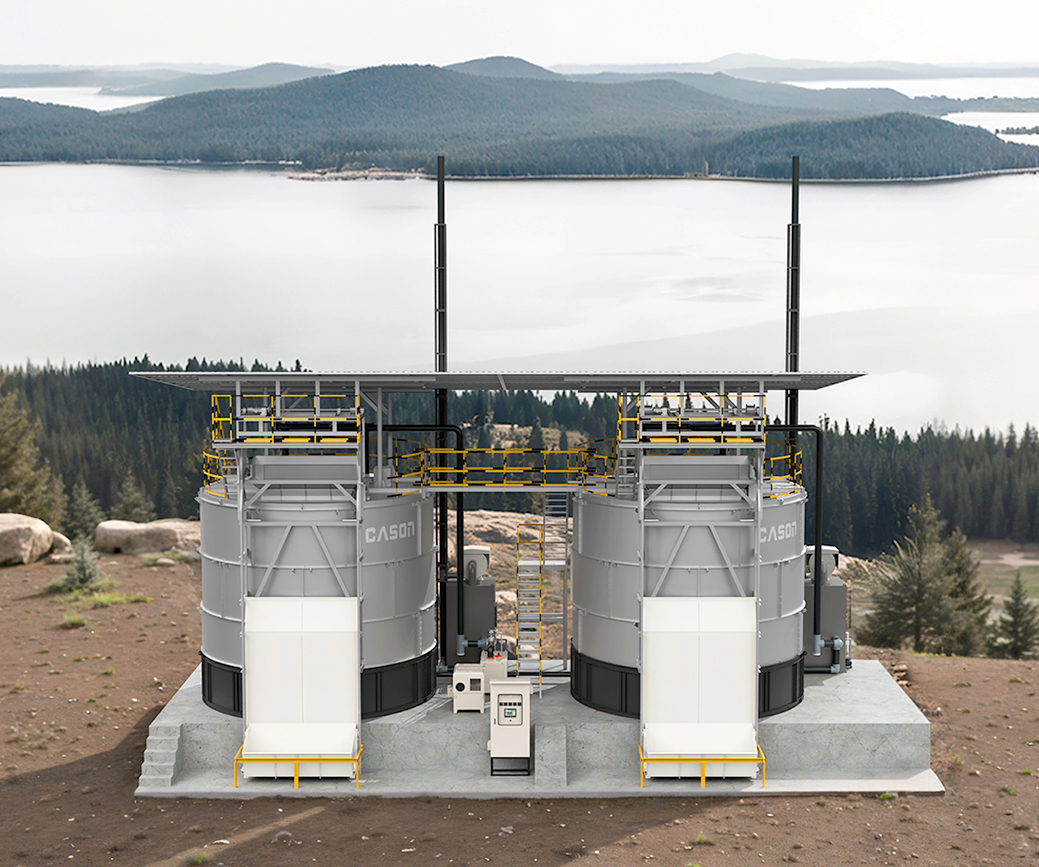
In this journey, I have learned that the most impactful change comes from mindful investments in technology. By addressing user pain points and embracing innovation, we can transform our organic waste management strategies for the better. The future is ripe—let’s seize it together. Companies like Cason are leading the charge, offering solutions that embody this evolution. Join the movement and be part of the sustainability narrative!